Five chimney changes worth having assessed
A brick chimney is not a suitable place for a do-it-yourself inspection from a ladder or roof. If you notice a change, record what you can safely see from ground level and arrange appropriate assessment. The observations below help explain an enquiry; they do not establish a diagnosis or confirm that the chimney is safe to use.
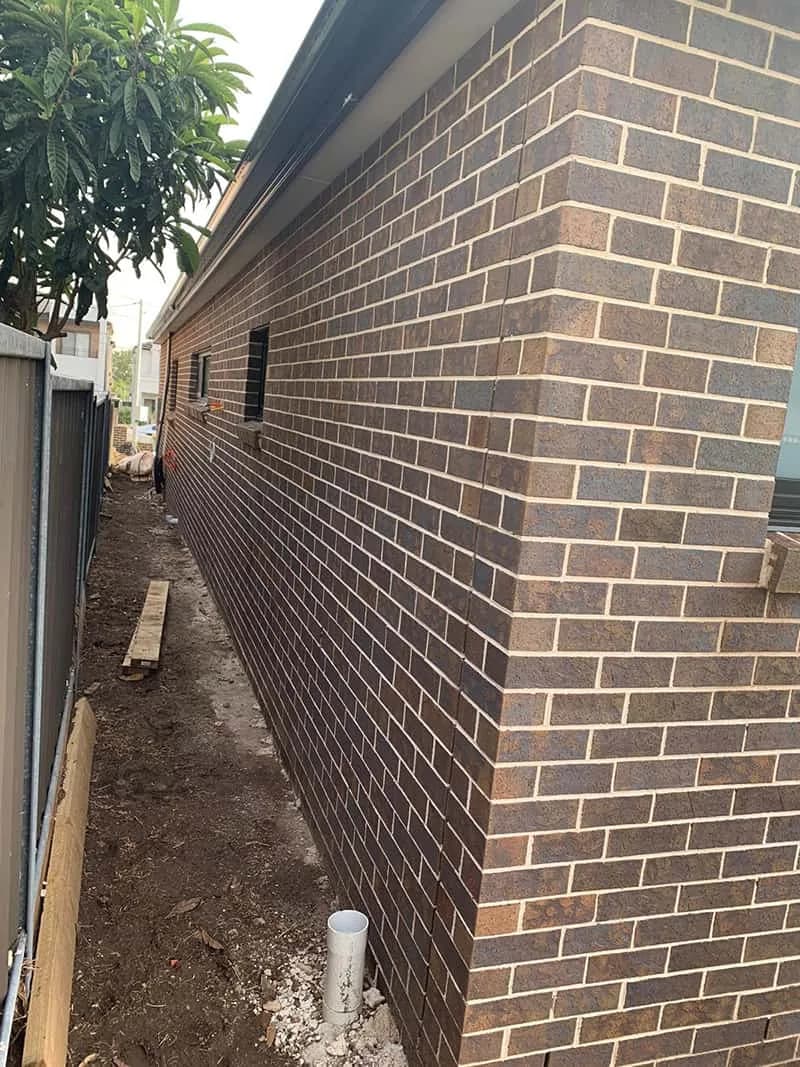
1. New or changing cracks
Note where a crack appears and whether it seems to have changed over time. Record when you first noticed it and any related work or earlier repairs you know about. A photograph can help explain the location, but it cannot establish the cause or structural condition by itself. Ask the appropriate professional what assessment is needed before a repair method or surface treatment is chosen.
2. Loose or displaced masonry
If bricks or other components appear loose, out of position or at risk of falling, keep people away from the area and arrange suitable professional assistance. Do not approach the chimney or climb to collect a better photograph. Explain the observed location and any nearby areas used by occupants or the public. Site access and immediate safety arrangements need discussion before a contractor can plan inspection or repair work.
3. Loss of mortar or damaged brick faces
From a safe location, note areas where mortar appears missing or bricks look damaged. Provide both a wider image and any safe close view already available. Explain whether this is a new observation or a recurring issue. Ask about the condition of the surrounding masonry and compatible materials, rather than assuming that every visible area simply needs new pointing. Define the proposed repair extent after assessment.
4. Recurring moisture or staining
Record where staining or dampness is visible and whether it appears in particular weather or has changed following earlier work. The source may require investigation across more than the visible brickwork. Explain which building areas are affected and identify the person who can coordinate the relevant trades. A masonry enquiry should not promise that replacing mortar alone will resolve every moisture problem around a chimney.
5. Earlier patches that keep failing
Tell the team what was previously repaired, when and whether any reports or photographs are available. Repeated visible patches are useful history for the assessment, not proof of a particular cause. Discuss safe access, protection of adjoining roof areas and which professionals are responsible for related work. Before appointment, review credentials, the assessment outcome and a written repair scope. An enquiry does not authorise use of an appliance or confirm a chimney's operating condition.
Plan the next conversation.
Describe your suburb, the work required and the information you already have. The team will review your enquiry and discuss suitable next steps. Confirm the proposed contractor, scope and terms before agreeing to work.
Useful official resources.
General project preparation guidance. Confirm the design and any approval requirements for your actual property with the appropriate professionals.