Repointing or rendering: questions to ask about your wall
Repointing and rendering describe different work. Repointing addresses the exposed mortar joints; rendering applies a surface coating. Neither term, on its own, explains why a wall is deteriorating or which approach suits the existing masonry. Begin with the wall's condition, the finish you want and the assessment needed before selecting a method.
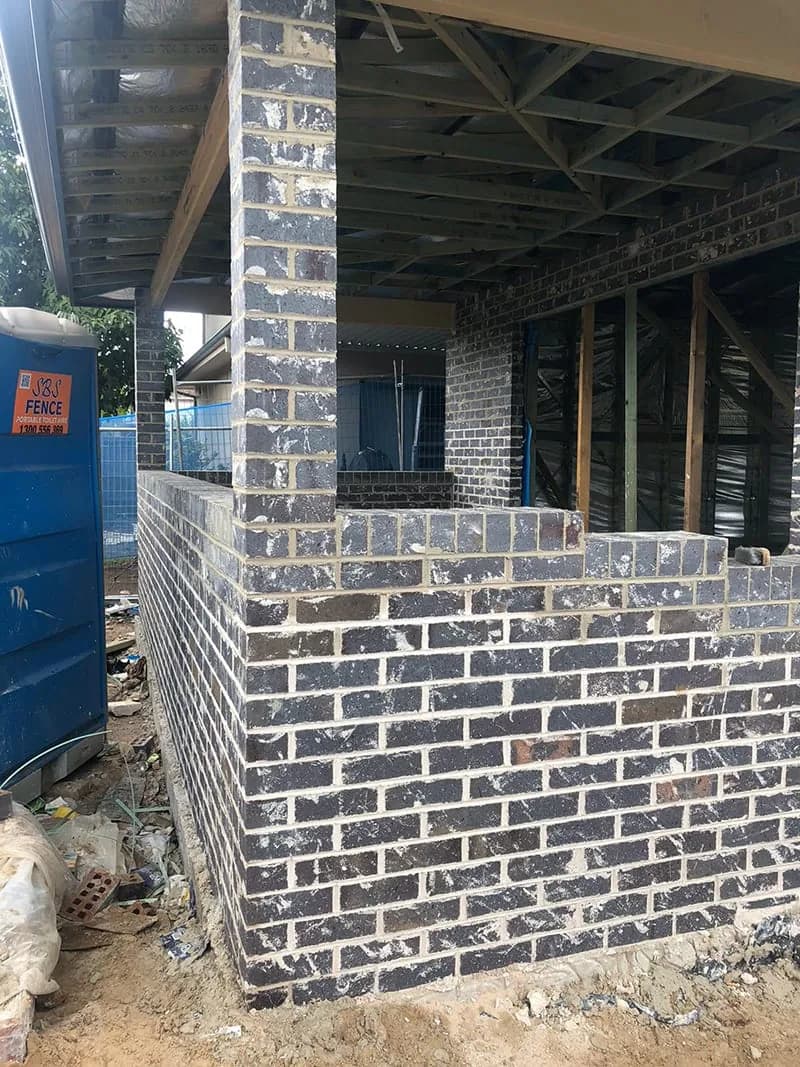
What a repointing enquiry should describe
Show areas of missing, loose or uneven mortar in close photographs and provide a wider view of the elevation. Identify the approximate affected area and height and explain any previous repairs. Ask the contractor to describe the proposed preparation, compatible mortar and joint finish. Work around brick edges and existing features needs care; a general request to make the joints look new does not define the repair method or area.
What a rendering enquiry should describe
Explain the intended appearance and which wall surfaces are involved, including corners, openings and adjoining finishes. Ask what preparation is needed and who will assess the suitability of the existing surface. Confirm whether associated repairs and making good are included. A surface coating changes the visible finish, so do not treat it as an automatic replacement for repair work or assume it resolves an underlying moisture or movement issue.
Assess the condition before choosing a finish
Record cracking, loose masonry, recurring staining or other observed changes without trying to diagnose them from appearance alone. Explain when the condition appeared and what has already been attempted. Ask whether further assessment is required before a repair or coating scope is agreed. If masonry appears unstable, keep people clear and seek appropriate professional advice rather than attempting a cosmetic treatment first.
Consider the existing building details
Record the existing brick, mortar joints, decorative features and areas you want retained. On older or controlled properties, confirm the requirements before changing visible masonry or finishes. Material compatibility and the proposed appearance belong in the scope discussion. Ask about a sample or trial area where useful, and be clear about which differences between old and new work may remain rather than expecting an invisible match.
Compare repair scopes rather than job labels
A proposal should define preparation, materials, finish and the affected area, with access, protection, waste removal and exclusions recorded. Ask how additional deterioration found during preparation will be handled. Compare like-for-like outcomes instead of assuming that two quotes using the same trade term include the same work. Submit the location and project description to the team, with photographs ready for follow-up, before deciding on the next step.
Plan the next conversation.
Describe your suburb, the work required and the information you already have. The team will review your enquiry and discuss suitable next steps. Confirm the proposed contractor, scope and terms before agreeing to work.
Useful official resources.
General project preparation guidance. Confirm the design and any approval requirements for your actual property with the appropriate professionals.