
Bricklaying Services
From new builds to garden walls, our network of licensed Sydney bricklayers handles every residential job with clean lines, true levels and tidy site work.
Get free quotes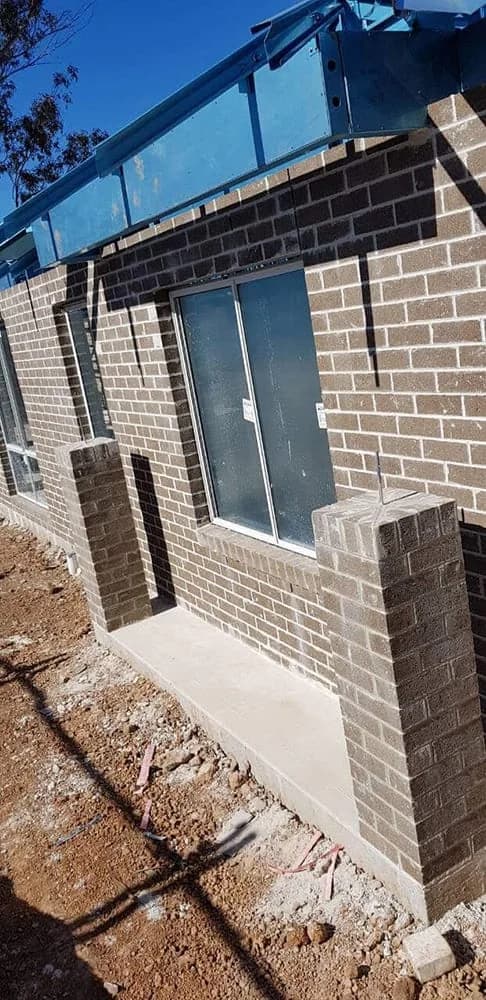
What's included
- Discuss a written scope
- Check licence and insurance details
- Discuss whether a site assessment is needed
- Identify design and approval requirements
- Agree on materials, timing and exclusions
Check credentials
Confirm the relevant licence and current insurance before appointing a bricklayer.
Ask for references
Request recent examples of comparable work and customer references.
Plan the next step
The team reviews your enquiry and follows up about scope and coverage.
Bricklaying Services in popular areas
Residential brickwork: materials and project scope
Residential bricklaying in Sydney can mean the masonry package for a new home, an extension that meets an existing facade, or a defined wall, pier or garden feature. A useful quote starts by identifying what the brickwork does, how it will look and what is ready on site. Send your suburb and project details so the team can review the enquiry and discuss the appropriate next step.
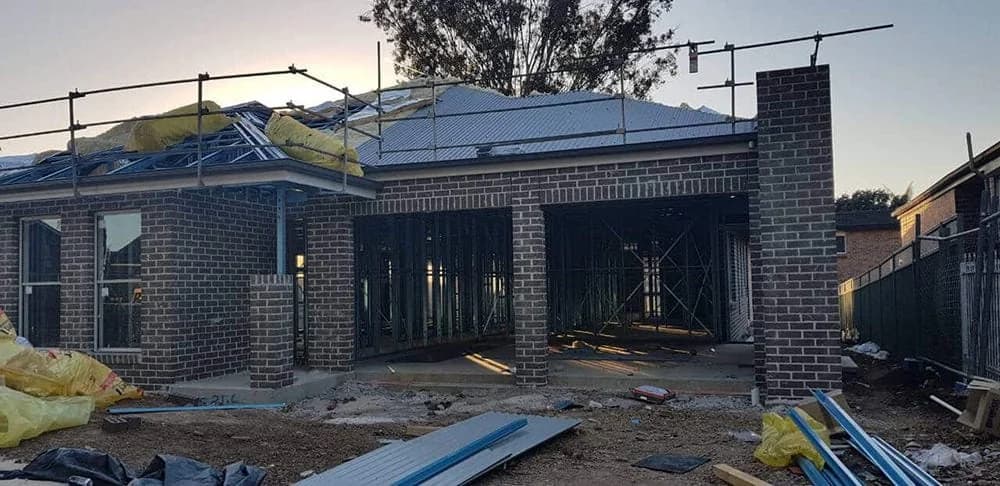
New homes, garages and granny flats
For a new building, identify the current drawing revision and the walls included in the brickwork package. Distinguish external face brickwork from internal or concealed masonry, and show openings, returns and any decorative features. Explain whether the builder supplies bricks, mortar materials, access equipment and waste facilities. A clear division of responsibilities makes quotes easier to compare and helps avoid gaps between the masonry package and work by other trades.
Extensions and additions beside existing brickwork
An extension needs a conversation about the junction between old and new. Supply photographs of the existing elevation and details around windows, corners and eaves. Discuss brick dimensions, texture, colour, bond pattern and mortar joint finish together. A similar colour alone does not establish a close match. Ask about available samples and where a visible change may remain, especially if the existing bricks have weathered or are no longer readily available.
Brick fences, piers and small wall sections
For a boundary or frontage project, include wall length, proposed height, pier positions and the relationship to gates, paths and the house. Explain whether existing masonry needs removing and which surfaces must be protected. A freestanding fence, a wall retaining soil and a building wall require different discussions; do not describe them simply as the same area of brickwork. Smaller jobs still need a defined scope, access arrangements and a plan for making good nearby finishes.
Materials and visible finish
Keep a record of the selected brick product, size and finish, together with the proposed mortar colour and joint profile. Where a feature matters visually, ask how the finish will be agreed before a large wall is laid. Include details such as window sills, capping, corners and changes in level in that discussion. Confirm who orders materials, allows for breakages and checks that deliveries match the specification, rather than assuming these tasks are included.
Access and coordination with your builder
Tell the team whether the site is occupied and how bricks, sand and equipment reach the work area. Narrow side passages, steps, limited unloading space and shared access can affect handling and sequencing. Identify the builder or site contact and the work that needs finishing before masonry starts. Discuss protection of windows, paving and landscaping, the storage area for materials, cleanup responsibilities and any restrictions on delivery or working hours.
Comparing residential bricklaying quotes
Compare the same drawings, quantities and material responsibilities. Ask whether the proposal includes setting out, preparation, access equipment, selected finishes, waste removal and making good. Check how extra work or changed drawings will be agreed and recorded. Before appointing a contractor, verify the relevant licence and current insurance and ask for comparable work references. Your website enquiry is an initial request for review; it does not reserve a crew, confirm a start date or replace a written agreement.
Information to include in your enquiry
- Suburb, property type and approximate wall dimensions
- Current plans and photographs of adjoining brickwork
- Brick selection, mortar finish and matching expectations
- Access, unloading, occupied areas and protection needs
- Removal, cleanup, material supply and timing responsibilities
Do you provide bricklaying services in Sydney?
Tell us about your services and coverage. Apply to our network to be considered for suitable customer enquiries.